
Ownership is more than the purchase price. The calculator below produces a realistic annual running-cost estimate, broken down by category, against named source assumptions.
€1,502,301
35 m motor yacht, private, single season, Western Mediterranean, moderate use
These are indicative estimates against named source assumptions. Every yacht is different. For a tailored budget, write to Foreland Marine, the consultancy that publishes The First Owner’s Reference.
Speak with Foreland Marine →Crew is almost always the single largest line item in your annual budget. A 40 m motor yacht might carry a crew of seven or eight, each with salary, insurance, travel, and training costs. As the yacht grows, crew numbers increase and so do the qualifications required. A captain on a 60 m vessel commands a very different salary to one on a 24 m sailing yacht.
Insurance and maintenance are the two categories that catch first-time owners off guard. Hull and P&I premiums are driven by yacht value, cruising range, and claims history. Maintenance is not optional. Even a well-built yacht needs continuous attention, and deferred maintenance always costs more in the long run.
Fuel costs vary dramatically between sailing and motor yachts. A 50 m motor yacht burning 300 litres per hour at cruising speed will spend more on fuel in a single Mediterranean season than a similar-sized sailing yacht spends in a year. Usage intensity matters too.
The best way to avoid budget surprises is to work with an experienced management company that provides transparent monthly reporting. A good manager will not just pay the bills. They will help plan ahead, negotiate contracts, and make informed decisions about where to spend and where to save.
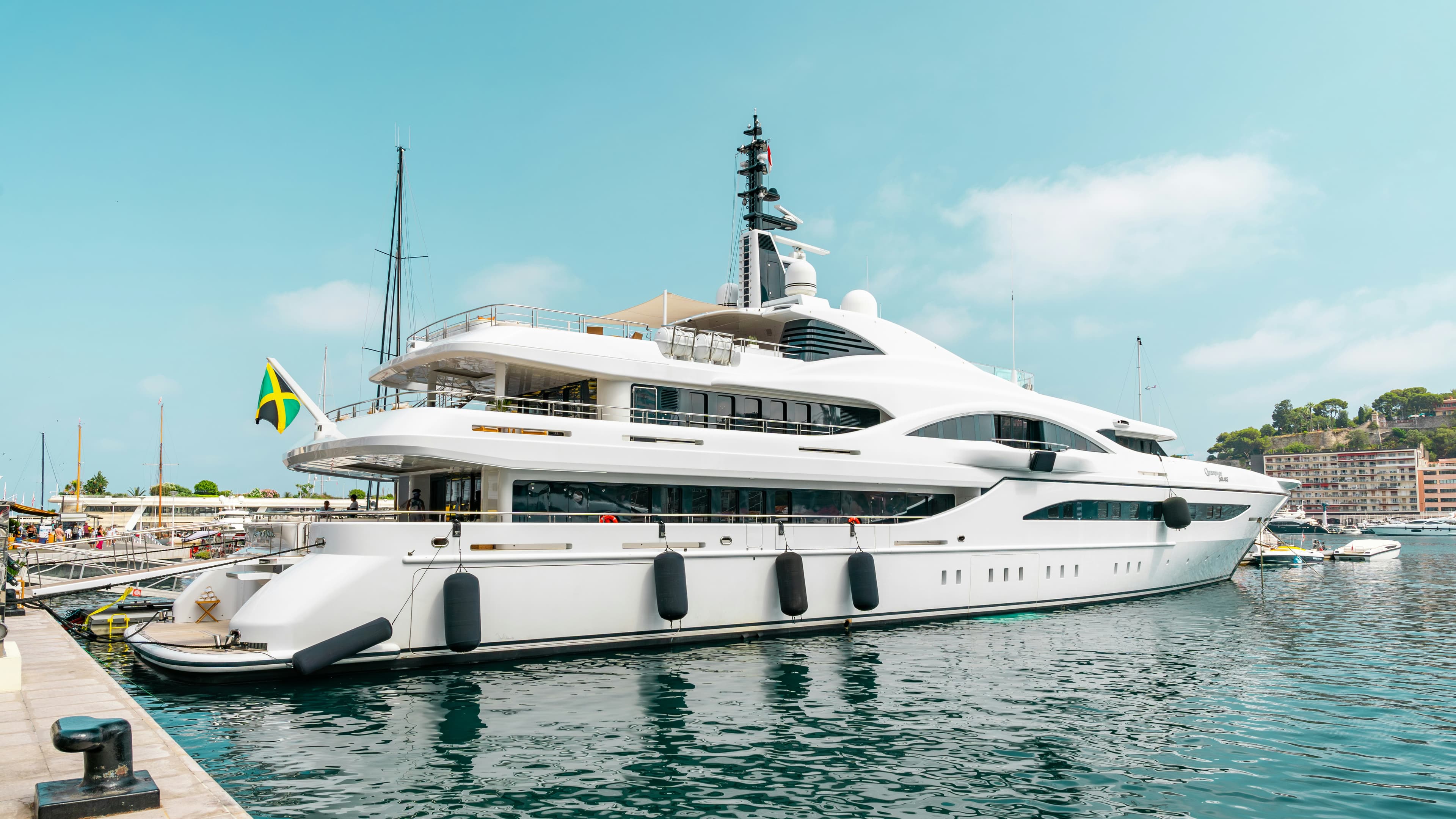
Annual running costs for a superyacht typically range from EUR 400,000 for a 24-metre sailing yacht with light use, to over EUR 2 million for a 60-metre motor yacht operating year-round. The main cost categories are crew (30-40% of the total), insurance, maintenance, marina berths, fuel, management fees, and regulatory compliance. As a rough guide, expect to spend 8-12% of the yacht's purchase price each year, though the actual figure depends heavily on vessel type, size, cruising area, and how intensively the yacht is used.
The 10% rule is a long-standing industry rule of thumb that says you should budget approximately 10% of the yacht's purchase price each year for running costs. While useful as a starting point, the 10% rule is a simplification. Actual costs are driven by the vessel's size, type, age, crew complement, cruising area, and operational profile, not by the purchase price.
Crew costs are almost always the largest single expense, typically 30-40% of the annual budget. After crew, the next largest costs are maintenance and repair (including class surveys and periodic refits), insurance (hull, P&I, and crew medical), and marina berths. Fuel costs vary dramatically between sailing and motor yachts. Management fees, regulatory compliance, and a contingency reserve of 8-10% should also be budgeted.
Crew costs depend on yacht size and the number of crew required. A 30-metre yacht with 5-7 crew might spend EUR 300,000-450,000 per year on total crew costs. A 50-metre yacht with 12-16 crew could spend EUR 900,000-1,400,000. These figures include salaries, social charges, insurance, travel, training, uniforms, and provisions.
Sailing yachts are generally less expensive to run than motor yachts of equivalent size. The main saving is fuel. However, sailing yachts have costs that motor yachts do not, including rig maintenance, sail inventory, and specialist rigging inspections. Overall, a sailing yacht's annual running costs are typically 15-25% lower than a comparable motor yacht.
Insurance costs depend on the yacht's value, type, age, cruising area, and claims history. Hull and machinery insurance typically costs 0.8-1.5% of the yacht's insured value per year. P&I (Protection and Indemnity) cover adds another 0.3-0.4%. Charter yachts require commercial insurance, which can be 30-40% more expensive than private cover.
The cost model behind this calculator is based on published industry data, supplemented by Foreland Marine’s direct experience managing yachts in the 24 to 60 metre range.
Captain, officer, and crew salary ranges by vessel size and type.
Senior and junior crew pay bands.
Hull and machinery insurance rates, P&I cover premiums, and regional risk factors.
MYBA Charter Market practice
Charter fleet operating costs, commercial insurance premium ranges, and crew benchmarks.
Commercial compliance survey costs, manning requirements, and flag-state fee schedules.
Foreland Marine operational data
Real-world budget data from yachts under our management, anonymised and aggregated.